Daily water intake is one of the most common health questions people ask, yet the answer depends on several factors including age, body weight, activity level, climate, and overall health. While many people follow the “8 glasses a day” rule, scientific research shows hydration needs are more personalized. This guide explains how much water you should drink daily, based on scientific recommendations and practical insights.
Table of Contents
Why Hydration Matters
Water is essential for nearly every function in the human body. Proper hydration helps with:
- Regulating body temperature
- Supporting digestion
- Maintaining healthy skin
- Improving energy levels
- Supporting kidney function
- Delivering nutrients throughout the body
Even mild dehydration can affect focus, mood, and physical performance.
Recommended Daily Water Intake According to Science
Scientific guidelines offer general targets based on gender:
For Men
The U.S. National Academies recommends a total of 3.7 liters (125 ounces) of water per day, including water from all beverages and foods.
For Women
The recommendation is 2.7 liters (91 ounces) per day, including water from drinks and foods.
Important Notes
- Around 20 percent of this intake often comes from food.
- You do not need to drink this full amount as plain water. Other hydrating drinks contribute as well.
Factors That Affect Your Daily Water Needs
Your required intake may increase based on:
Physical Activity
If you exercise or perform manual labor, your body loses water through sweat. Increase intake by:
- 12 to 16 ounces for moderate workouts
- More for high-intensity or long-duration activities
Climate
Hot or dry environments raise water loss. People living in warm states like Arizona, Texas, Nevada, or Florida may need more hydration.
Health Conditions
Illness, fever, diarrhea, or vomiting can increase water needs. Certain medications also influence hydration.
Pregnancy and Breastfeeding
Pregnant individuals need about 2.4 liters daily.
Breastfeeding increases needs to about 3 liters.
Signs You Are Not Drinking Enough Water
Common indicators of dehydration include:
- Dark yellow urine
- Headache
- Dry mouth
- Fatigue
- Dizziness
- Reduced urination
Clear to light-yellow urine is a good sign of proper hydration.
Do You Really Need 8 Glasses a Day?
The “8×8 rule” (eight 8-ounce glasses) is simple, but not scientifically precise.
However, it works as a good starting point for most people, especially those who are sedentary or live in moderate climates. But active individuals or those in hot areas often require more.
Best Sources of Hydration
Plain Water
The healthiest and most effective option.
Hydrating Foods
Many fruits and vegetables help meet daily fluid needs, including:
- Watermelon
- Cucumbers
- Oranges
- Strawberries
- Lettuce
Other Beverages
Tea, coffee, milk, and infused water also contribute to total hydration.
Moderation is key for sugary or caffeinated drinks.
How to Stay Hydrated Throughout the Day
Here are simple ways to maintain hydration:
- Drink a glass of water every morning
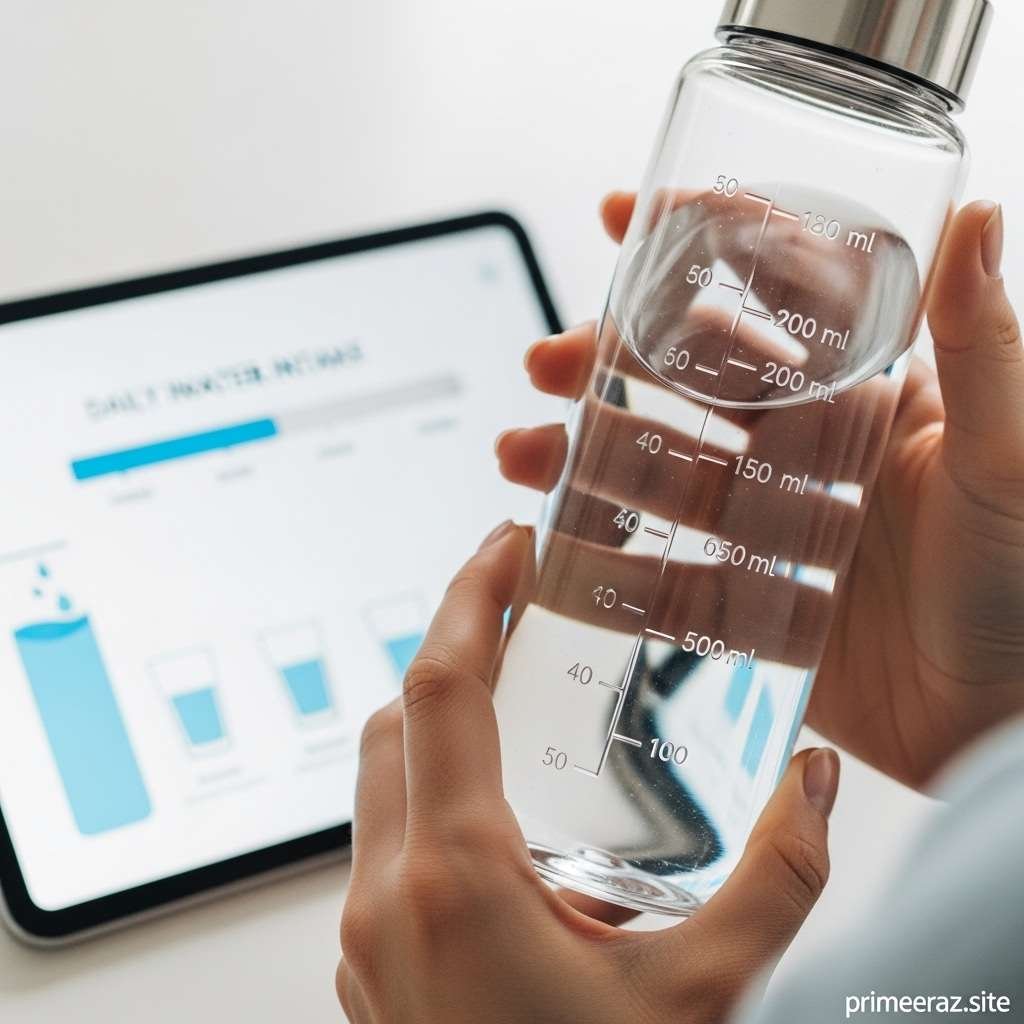
- Carry a reusable water bottle
- Set reminders during work hours
- Drink before, during, and after exercise
- Choose hydrating snacks like fruit
- Increase intake during heat waves
Consistency matters more than drinking a large amount at once.
Daily Water Intake Table
| Activity Level | Recommended Intake |
|---|---|
| Sedentary adult | 6–8 glasses per day |
| Moderately active | 8–12 glasses per day |
| Highly active | 12–16 glasses per day |
| Hot climate | Add 2–4 extra glasses daily |
Final Thoughts
How much water you should drink daily depends on your lifestyle, climate, and health. While general guidelines offer a starting point, listening to your body remains the best approach. Aim for clear urine, steady energy, and consistent hydration throughout the day. With small daily habits, you can easily stay hydrated and support your long-term health.